Erectile dysfunction (ED) is a common sexual health condition in which a person has difficulty getting or maintaining an erection that is firm enough for sexual activity. Occasional erection problems can happen because of stress, tiredness, alcohol, or other temporary factors. When erection difficulties happen repeatedly, however, they may be related to an underlying health condition and should be discussed with a healthcare professional.
ED can affect sexual relationships, confidence, emotional well-being, and quality of life. It can occur for physical, psychological, medication-related, or lifestyle-related reasons. Importantly, erectile dysfunction is not simply an inevitable part of getting older, and many cases can be evaluated and treated.
An erection involves coordination between the brain, nerves, hormones, blood vessels, and erectile tissues.
During sexual stimulation, signals from the nervous system help relax blood vessels in the penis. Increased blood flow into the erectile tissues causes the penis to become larger and firmer. Maintaining an erection also depends on adequate blood flow and normal nerve function.
ED is different from simply having a low sex drive. Someone may have normal sexual desire but still experience difficulty achieving or maintaining an erection.
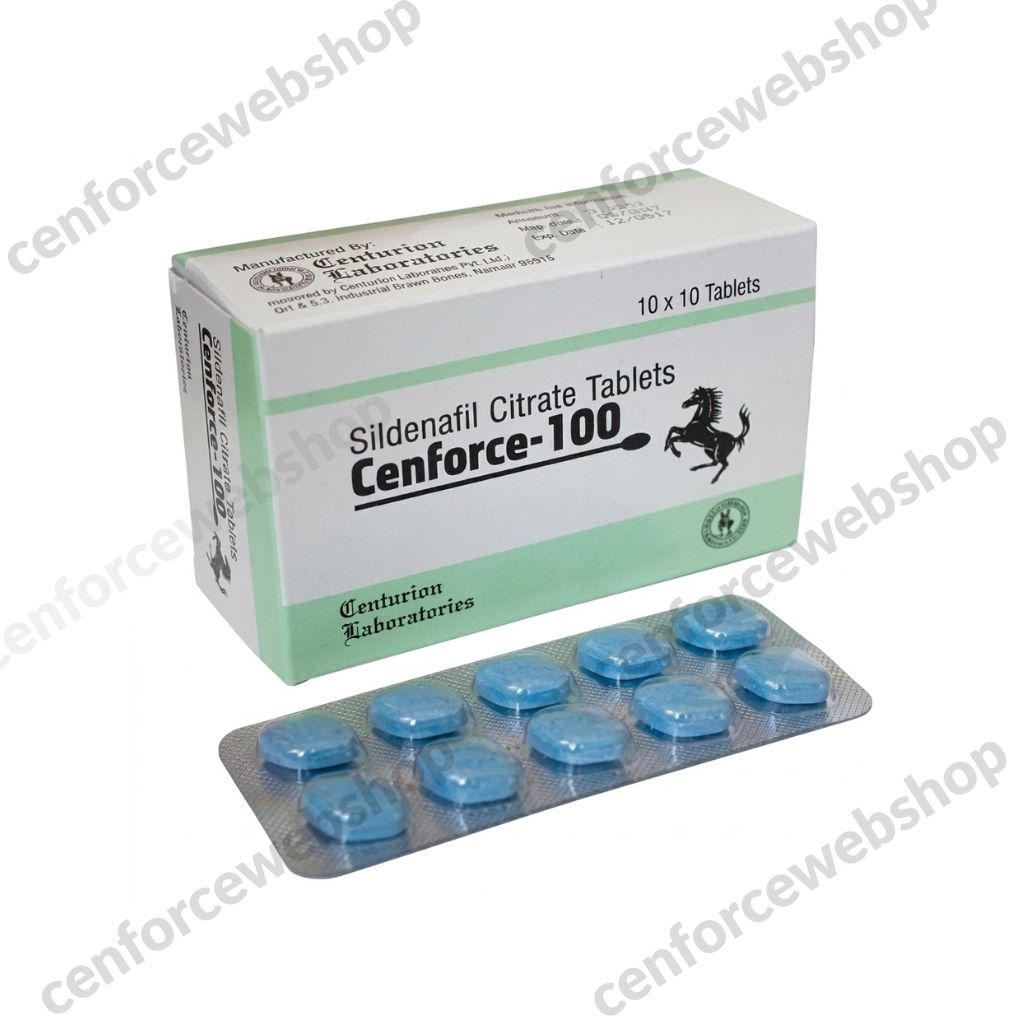
Product Attributes
Strength, dosage form, pack size વગેરે
Common erectile dysfunction causes include:
Conditions that affect blood vessels can therefore contribute to erection problems.
Because ED can sometimes be associated with cardiovascular and metabolic conditions, persistent erection problems can be a reason to discuss overall health with a healthcare professional.
Diabetes can affect both blood vessels and nerves involved in sexual function. Poorly controlled blood glucose can increase the risk of erectile dysfunction.
Managing diabetes, blood pressure, cholesterol, body weight, and overall cardiovascular health may help reduce complications associated with ED.
Normal erections depend on communication between the brain, spinal cord, nerves, and penis.
Some prescription and over-the-counter medicines can contribute to erectile dysfunction as a side effect.
If you believe a medication is contributing to ED, do not stop taking it without medical advice. A healthcare professional can review your medicines and determine whether an alternative or adjustment is appropriate.
Possible factors include:
For example, a physical health problem may lead to anxiety about sexual performance, which can then make erection difficulties worse.
Counseling or sex therapy may be helpful when psychological or relationship factors contribute to ED.
Improving cardiovascular health through regular physical activity, healthy eating, maintaining a healthy weight, avoiding tobacco, and managing alcohol intake may support erectile function.
The most common erectile dysfunction symptoms involve difficulty achieving or maintaining an erection.
Some people may be able to achieve an erection in certain situations but not others.
Occasional erection difficulty does not necessarily mean that someone has ED. However, frequent or persistent symptoms deserve medical evaluation.
Diagnosis usually begins with a discussion about medical history, sexual health, mental health, medications, and lifestyle.
A healthcare professional may ask about:
A physical examination may also be performed.
Depending on symptoms and medical history, healthcare professionals may use blood tests or other investigations to look for possible contributing conditions. Testing may evaluate factors such as blood glucose, hormones, or other health markers.
The purpose of evaluation is not simply to address the erection problem. It is also to identify and manage any underlying condition that may be contributing to it.
The most appropriate ED treatment depends on the underlying cause, overall health, medications, preferences, and severity of symptoms.
Treatment may include lifestyle changes, counseling, prescription medicines, devices, or other medical approaches.
A healthy eating pattern may also help reduce risk factors associated with ED, including diabetes, cardiovascular disease, and obesity.
When stress, anxiety, depression, or relationship difficulties contribute to erectile problems, counseling or sex therapy may be useful.
Psychological treatment can sometimes be combined with treatment for physical causes when both factors are involved.
Several prescription medicines used for erectile dysfunction belong to a group called phosphodiesterase type 5 (PDE5) inhibitors.
These medicines can improve blood flow to the penis and may help a person achieve and maintain an erection when sexually stimulated. They are not appropriate for everyone and can interact with other medicines.
For example, certain ED medicines can be unsafe with nitrate medicines used for some heart conditions. A healthcare professional should determine whether a particular medicine is appropriate.
A vacuum erection device uses controlled suction to draw blood into the penis and help produce an erection. A constriction ring may then help maintain the erection for a limited period.
These devices may be considered when medication is unsuitable, ineffective, or not preferred.
Depending on the cause and severity of ED, healthcare professionals may consider other treatments, including injectable medicines, urethral treatments, or penile implants.
The appropriate option depends on an individual’s medical circumstances and should be discussed with a qualified healthcare professional.
Not every case of ED can be prevented, but healthy lifestyle habits may reduce risk and support overall cardiovascular health.
Helpful habits include:
Taking care of cardiovascular and metabolic health is particularly important because these conditions can be associated with erectile dysfunction.
Consider speaking with a healthcare professional if erection problems:
Persistent ED should not automatically be dismissed as a normal part of aging. It can sometimes be associated with other health conditions that deserve evaluation.
Seek urgent medical attention for a prolonged erection lasting more than four hours after ED treatment, or for significant vision or hearing changes associated with ED medicines.
No. Erectile dysfunction and low testosterone are different conditions.
Low testosterone may affect sexual desire and can sometimes contribute to erectile difficulties, but ED can also result from blood vessel problems, diabetes, nerve conditions, medications, psychological factors, and lifestyle habits.
If symptoms suggest a hormonal problem, a healthcare professional can determine whether hormone testing is appropriate.
Stress and anxiety can contribute to erectile dysfunction or make existing erection problems worse.
Performance anxiety can create a cycle in which concern about getting or maintaining an erection makes sexual activity more stressful.
When psychological factors are involved, counseling, stress management, and treatment of underlying mental health concerns may be helpful.
In many cases, erectile dysfunction can be managed or treated.
The right approach depends on the underlying cause. Treatment may involve lifestyle changes, counseling, prescription medicines, vacuum devices, or other medical treatments.
A healthcare professional can help determine the safest and most appropriate option.
Erectile dysfunction is a common sexual health condition involving difficulty getting or maintaining an erection suitable for sexual activity.
Possible causes include cardiovascular conditions, diabetes, nerve problems, hormonal factors, medications, psychological factors, and lifestyle habits. Because ED can sometimes be associated with other health conditions, persistent erection problems are worth discussing with a healthcare professional.
Treatment depends on the individual and may include lifestyle changes, counseling, prescription medicines, vacuum devices, or other medical options.
The most important first step is understanding the possible cause and choosing an appropriate treatment approach with qualified medical guidance.
Vyrox provides educational information to help men better understand erectile dysfunction and related sexual health topics.
Medical Disclaimer: The information on this site is for educational purposes only. Consult a licensed healthcare professional before starting, stopping, or changing any medication.

Leave a Reply