Sexual desire changes can be seen throughout your life, as it does not remain constant (this could be due to medical problems or lifestyle). However, Low Sex Drive in Men is known as one of the common concerns that can impact your relationship, confidence, overall quality and emotional aspects.
No doubt, it may be associated with either stress, chronic health issues, changes in hormones, poor sleep. Hence, understanding the possible cause and adopting the right treatments for low sex drive becomes a necessity.
What Is Sex Drive?
Sex drive is also called low libido, and it is the individual’s natural interest or desire towards sex. The Low Sex Drive in Men varies from person to person and changes depending upon physical health, emotional, life conditions and lifestyle. For men there is no medically defined level of libido. Some of the men can experience a higher interest in intimacy while others can have low.
Therefore, Low Male Libido has become one of the major concerns when reduced sexual desire is persistent. This in turn causes a personal distress, or affects relationships.
However, medicines like Cenforce 200, Vidalista 20, Fildena 100, and Malegra 100 are used for erectile dysfunction, not directly for low libido. Always consult a doctor before using any medication.
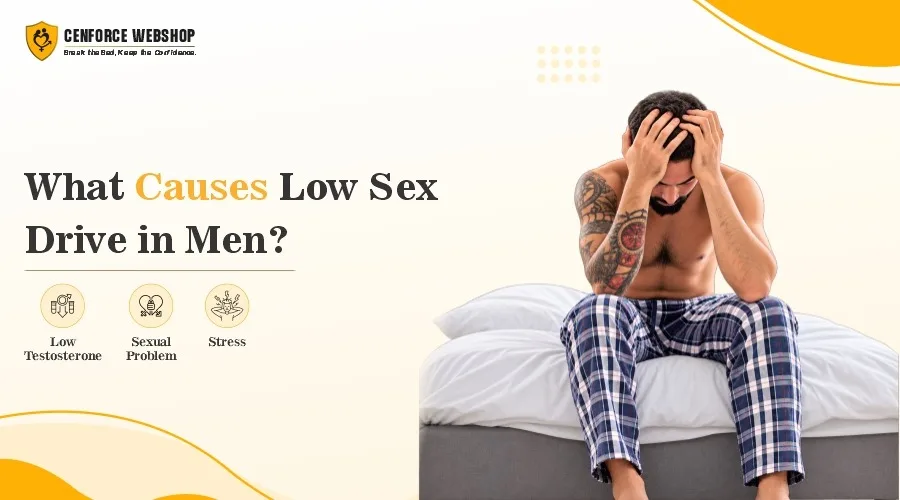
What Causes Low Sex Drive in Men?
The possible reasons for Low Sex Drive in Men could be related to physical, psychological, and lifestyle.
Low level of testosterone
Testosterone is important for male sex hormones, that majorly influence the sexual desire, development of muscle, production of sperm, and other functions. Low Testosterone and Sex Drive, are connected closely to each other because a reduced level of testosterone may contribute to decreased sexual interest.
Mental and stress conditions
Anxiety, depression, work pressure, financial concerns, can also reduce interest in sex. Moreover, chronic stress may even affect the regulation of hormones.
Chronic health
Conditions such as cardiovascular disease, diabetes, obesity, and thyroid disorders may also affect the circulation of blood, level of hormone and sexual health.
Side-effects of medicines
Some of the antidepressants, blood pressure drugs, and other prescription drugs may also affect libido. Men however, should consult with a doctor before either changing/stopping any medicine.
Poor life
If you often consume excessive alcohol, there is limited physical activity, smoking, unhealthy eating patterns, and also insufficient sleep does have a negative impact on your sex life.
Hormone imbalance
Changes in the level of testosterone, prolactin levels, thyroid hormones may also influence your sexual desire. Hormonal Imbalance in Men can cause fatigue, changes in mood and difficulties with sexual functions.
Testosterone levels decline with age, but low libido level is not considered as part of aging.
What Are the Common Signs and Symptoms of Low Male Libido?
The different signs/symptoms of Low Sex Drive in Men depends upon the underlying cause. some of the common ones are-
- Fewer fantasies
- Reduced interest in sex
- Less or frequent desire for intimacy
- Reduced initiation
- Emotional distance or frustration
- Difficulty in maintaining interest in sex
Does Age Affect Male Sex Drive?
Yes, age is connected to have an influence on libido, but changes are not the same for everyone. The level of testosterone decreases as men get older, and thereby potentially impacting sexual desire.
Younger men even experience Low Sex Drive in Men and this is all because of stress, sleep, difficulties in relationship and medical conditions.
How to Increase Sex Drive in Men Naturally
The improvement in lifestyle can support level of energy, hormone health, and also sexual function.
- Exercising on a regular basis which can include strength training, walking, cycling and even swimming in some cases can improve overall fitness and cardiovascular health.
- Your diet must include whole grains, fruits, vegetables, nuts.
- Improving your sleep which requires a proper 7- 9 hours of sleeping every night.
- Must be able to manage the level of stress with meditation, breathing exercise and with some relaxation techniques.
- To support better sexual health, advised to avoid taking smoke and alcohol.
- Managing body weight also helps to improve metabolic and hormonal health.
It is advisable to avoid relying on unverified libido enhancing supplements/testosterone boosters. It is important to discuss changes in sexual desire with a doctor and seek right treatment as per your need.
Treatments for Low Sex Drive in Men
Some of the treatment for Low Sex Drive in Men are-
Testosterone Replacement Therapy
Men are recommended testosterone replacement therapy when confirmed with deficiency of testosterone and related symptoms.
Psychological counselling
Therapies can also address depression, anxiety, relationship difficulties and performance concerns.
Medication review
Your healthcare expert will adjust the medicines contributing to reduced libido when required.
Managing underlying condition
It is important to treat diabetes, thyroid disorders, sleep problems and obesity that may help to improve sexual health.
TRT is not considered suitable for everyone, as it can reduce production of sperm and fertility. Men planning to have children should discuss the alternative approaches with specialists.
How Long Does It Take to Improve Male Sex Drive?
- The recovery time is dependent upon the cause of Low Sex Drive in Men, and also the treatment approach.
- Improving your lifestyle may gradually support sexual health over several weeks.
- There can be noticeable changes by managing sleep and stress.
- Treating an underlying medical condition may require several weeks or months.
Can Low Sex Drive Affect Relationships?
Yes, when there is a reduced sexual desire then it sometimes can develop misunderstanding, emotional distance, frustrations, concerns among partners.
But low libido does not mean that partners have a lot of interest. But physical health, hormone changes and emotional stress can influence sexual desire.
What Is the Difference Between Low Libido and Erectile Dysfunction?
| Low libido | Erectile dysfunction |
| Undergo reduced interest in sexual activity | Difficulty in maintaining/achieving erections for sex. |
| Associated with hormonal or psychological factors | Involve blood circulation, hormonal, nerve and psychological problems |
| Affects sexual desire | Affects the physical ability to achieve an erection |
Both ED and PE are two sexual concerns, where men face difficulty during performance. Erectile Dysfunction is where men are not able to achieve erections, whereas, PE is the phase where men ejaculate sooner than their required interest.
Conclusion
Low Sex Drive in Men can result due to several factors and majorly include low testosterone, medical condition, chronic stress, side-effects and unhealthy lifestyle. Though occasional changes in libido are quite common, persistent or distressing symptoms deserve medical attention.
Identifying the underlying cause of sexual dysfunction/low sexual desire can help to approach towards the right treatment and support complete health.
Frequently Asked Questions
Can low testosterone cause a loss of sexual desire?
Yes, lowering sexual desire is related to testosterone as the low level is usually associated with reduced sexual interest, changes in mood and fatigue.
Does stress affect male sex drive?
Yes, for sure, chronic stress is known to increase psychological pressure, interfere with your sleep and even impacts the regulation of hormones.
Can diabetes cause low libido in men?
People with diabetes can affect their blood vessels, health of hormones, nerves and potentially contribute to reduced libido and erectile difficulties.
Can erectile dysfunction cause low sexual desire?
ED is not directly linked with the low libido, but repeated erection difficulties may lead to frustration, anxiety and reduced interest in intimacy.
How can men increase their sex drive naturally?
Men can support strong sexual health by maintaining their routine with exercise, by getting proper sleep, consuming a balanced diet, and limiting poor habits (like smoking and alcohol).